Transformation, Reactivity & Advanced-materials in Complex Environments (TRACE Lab)

Understanding how advanced materials transform.

We uncover how emerging materials change across environmental and biological systems—and turn that knowledge into safer, more sustainable technologies.

Particle TransformationNanotoxicologyMetal-Organic FrameworksNanomaterialsEnvironmental RemediationMicroplasticsSafe and Sustainable by Design
Our perspective

Materials are not static.
Neither is their fate and functionality.

Performance and safety are often assessed using pristine materials. But the moment a material enters a real environment, its chemistry begins to evolve.

Based in the Molecular Sciences Building at the University of Birmingham, TRACE Lab maps these transformations across realistic exposure sequences, identifies the moments that commit a material to a biological outcome, and uses that evidence to guide safer design.

Daphnia magna
C. elegans

Environmental-to-biological systems

Following transformation
into living systems.

TRACE Lab uses complementary model organisms to understand when evolving material identities become biological outcomes.

Daphnia magnaC. elegans

Research themes

From material identity
to their functions and biological outcome.

One connected programme spanning fundamental mechanisms, advanced measurement and responsible translation.

Transformation in action

  1. 01Material
    identity
  2. 02Environmental
    interface
  3. 03Biological
    outcome
  4. 04Evidence-led
    design
01

Transformation science

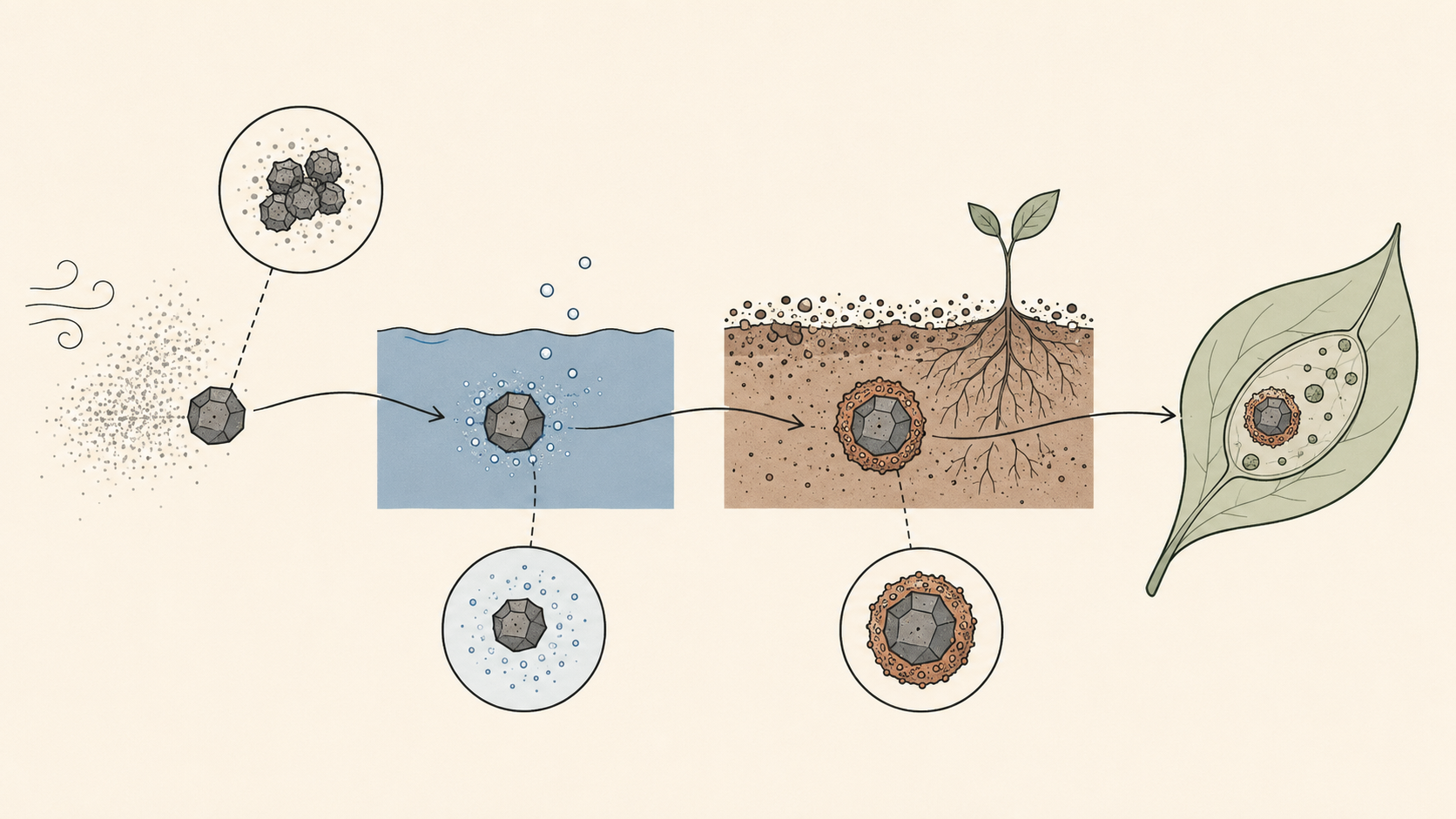
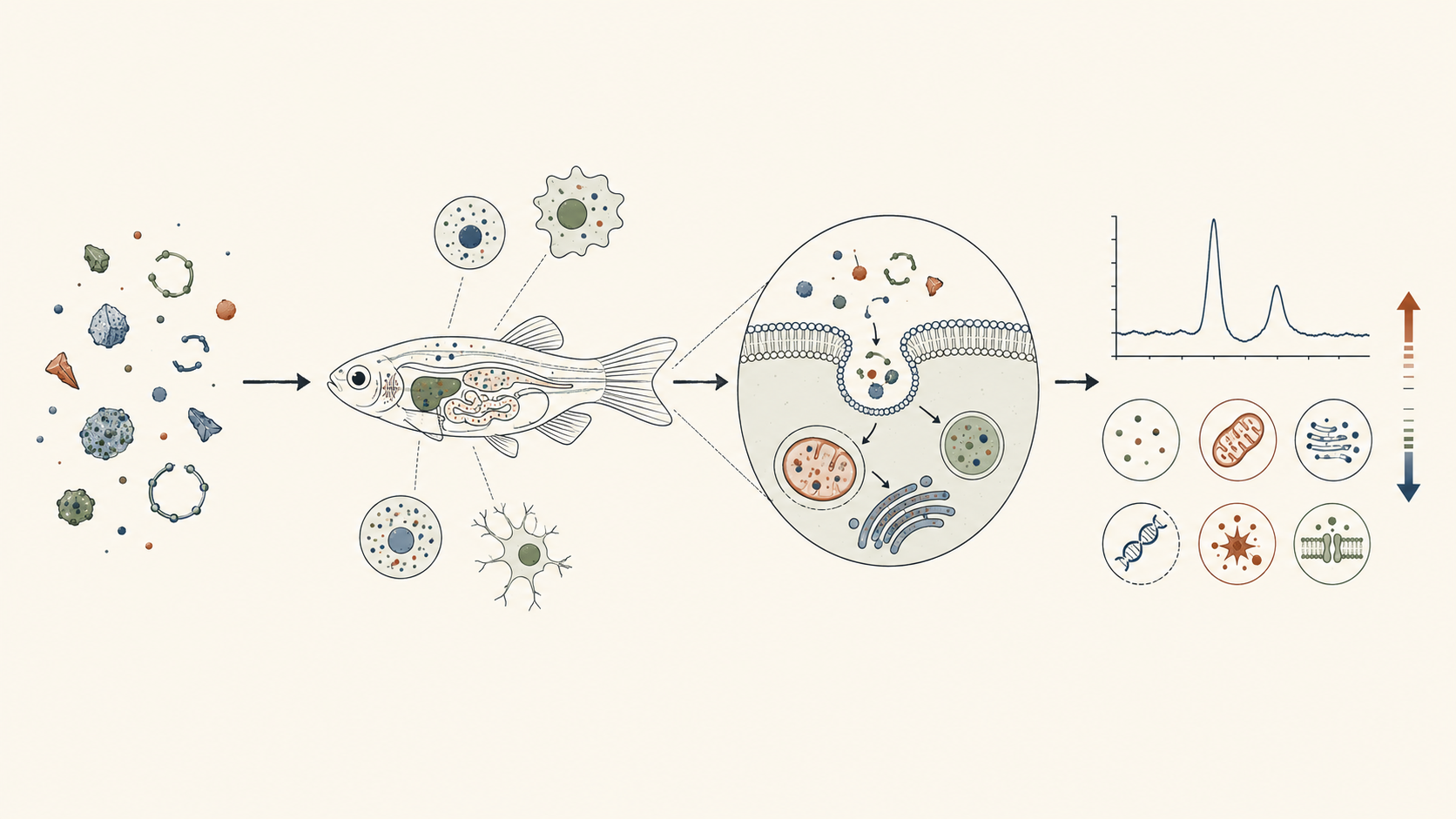
We follow advanced materials through air, water, soil and biota to reveal when their identity, reactivity and biological behaviour change.

Environmental hierarchy
02

Mechanistic toxicology

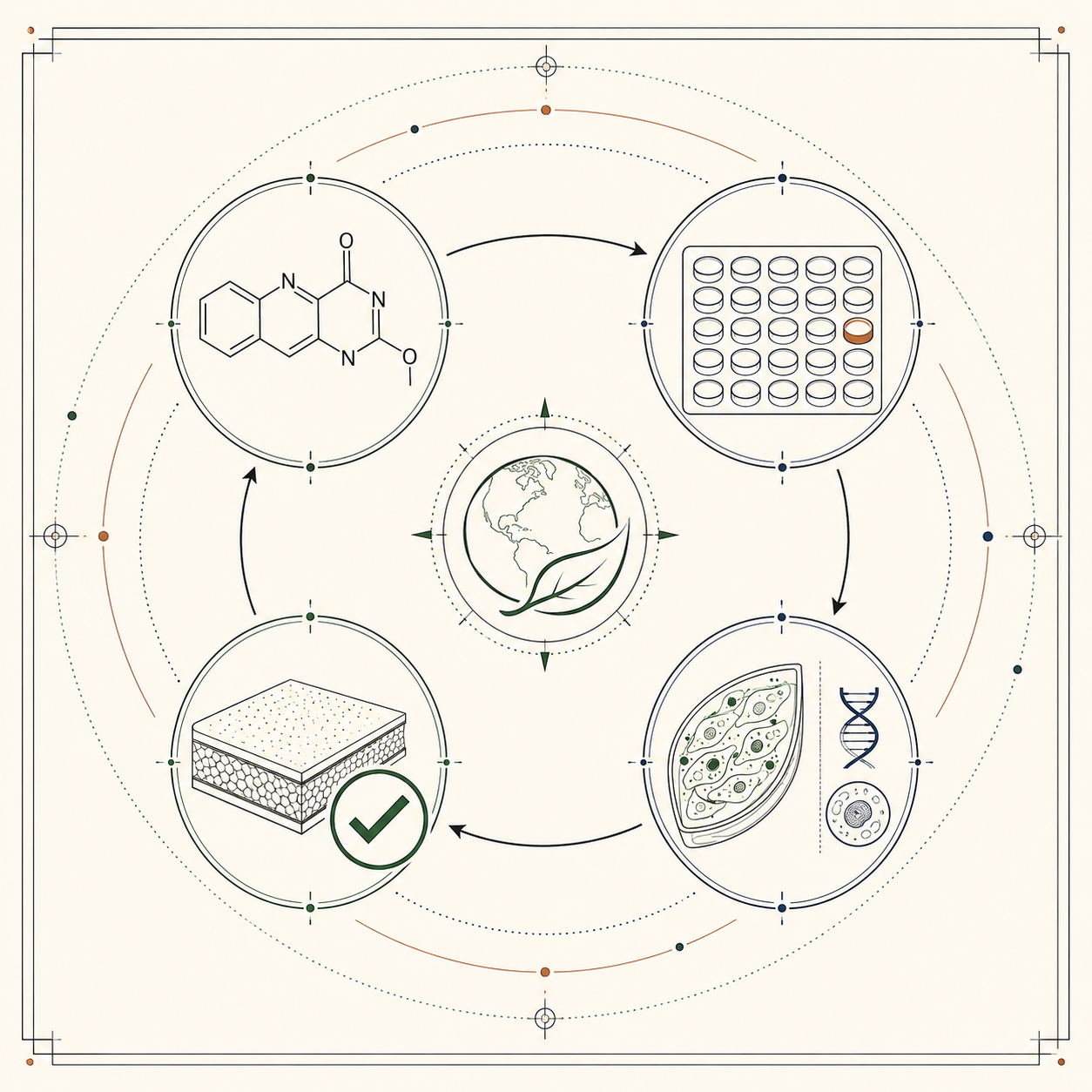
Using Daphnia magna, C. elegans and cellular systems, we connect material speciation with uptake, localisation and biological response.

Model organisms
03

Safe & sustainable design

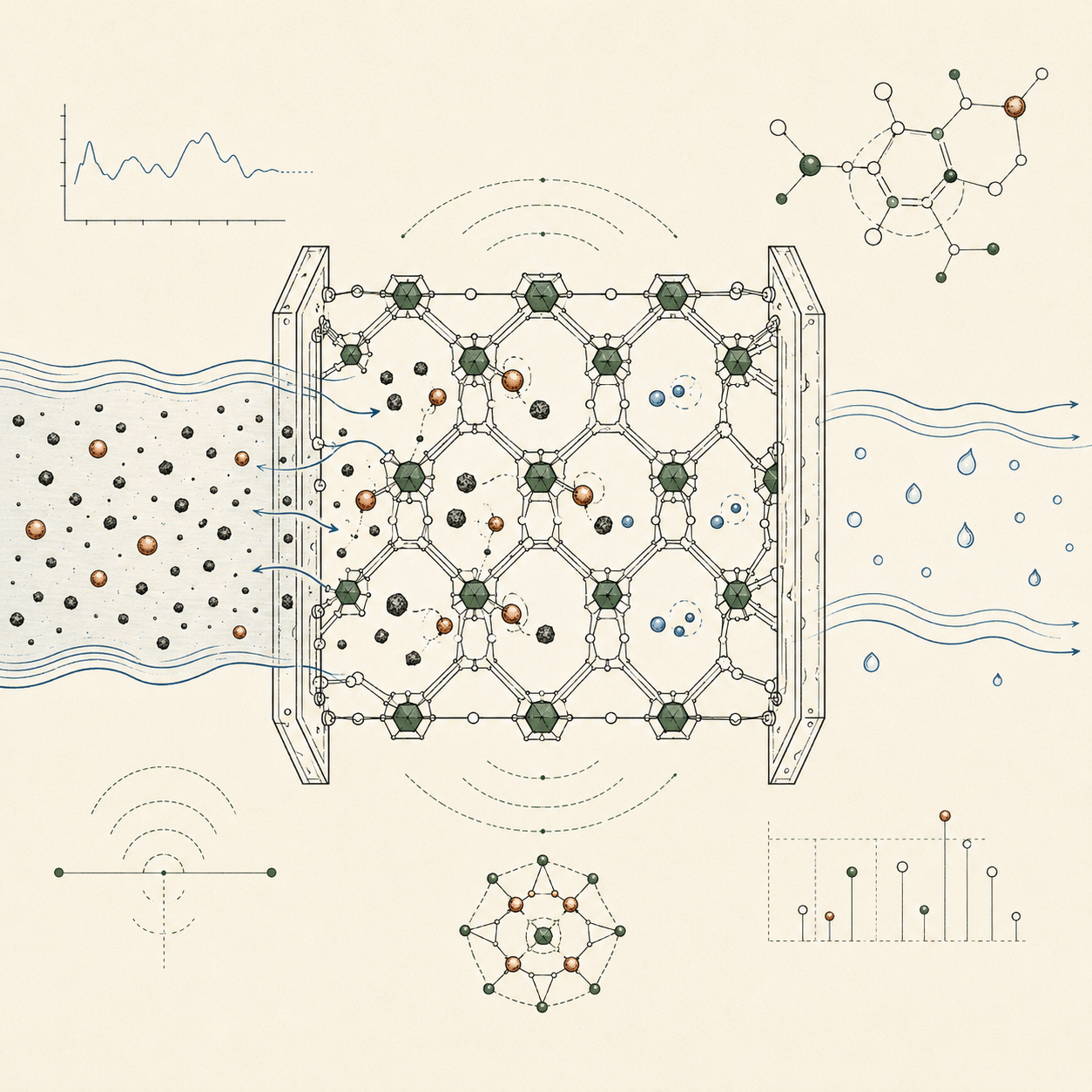
Mechanistic evidence becomes practical design rules for safer materials, resilient interfaces, environmental remediation and resource recovery.

Translation
04

Environmental remediation

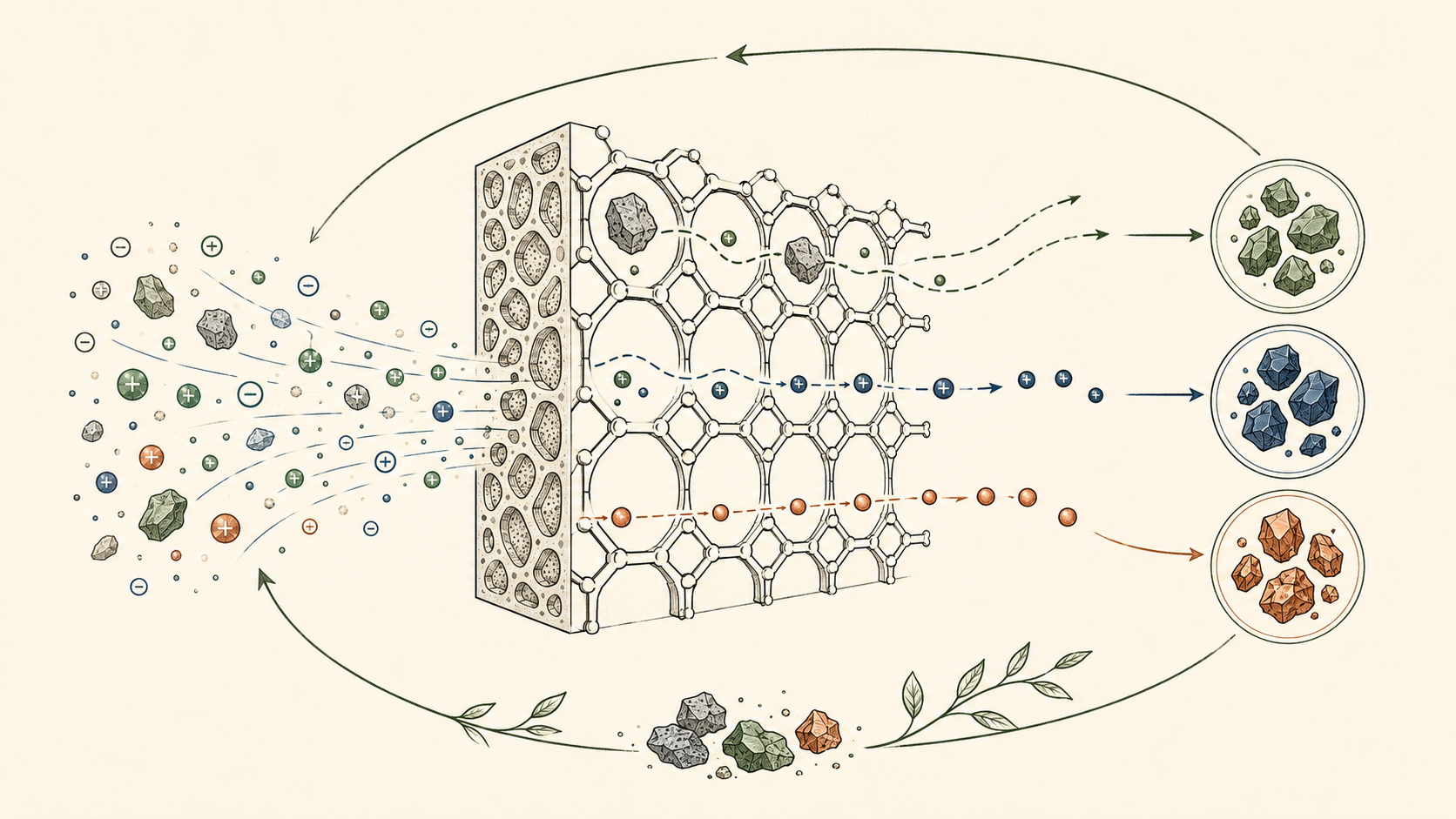
We design and evaluate reactive materials that capture pollutants, with transformation behaviour considered from the outset of remediation design.

Cleaner environments
05

Critical mineral recovery

Transformation-aware separation and recovery approaches help retain critical elements in circulation while reducing environmental burden.

Circular resources
06

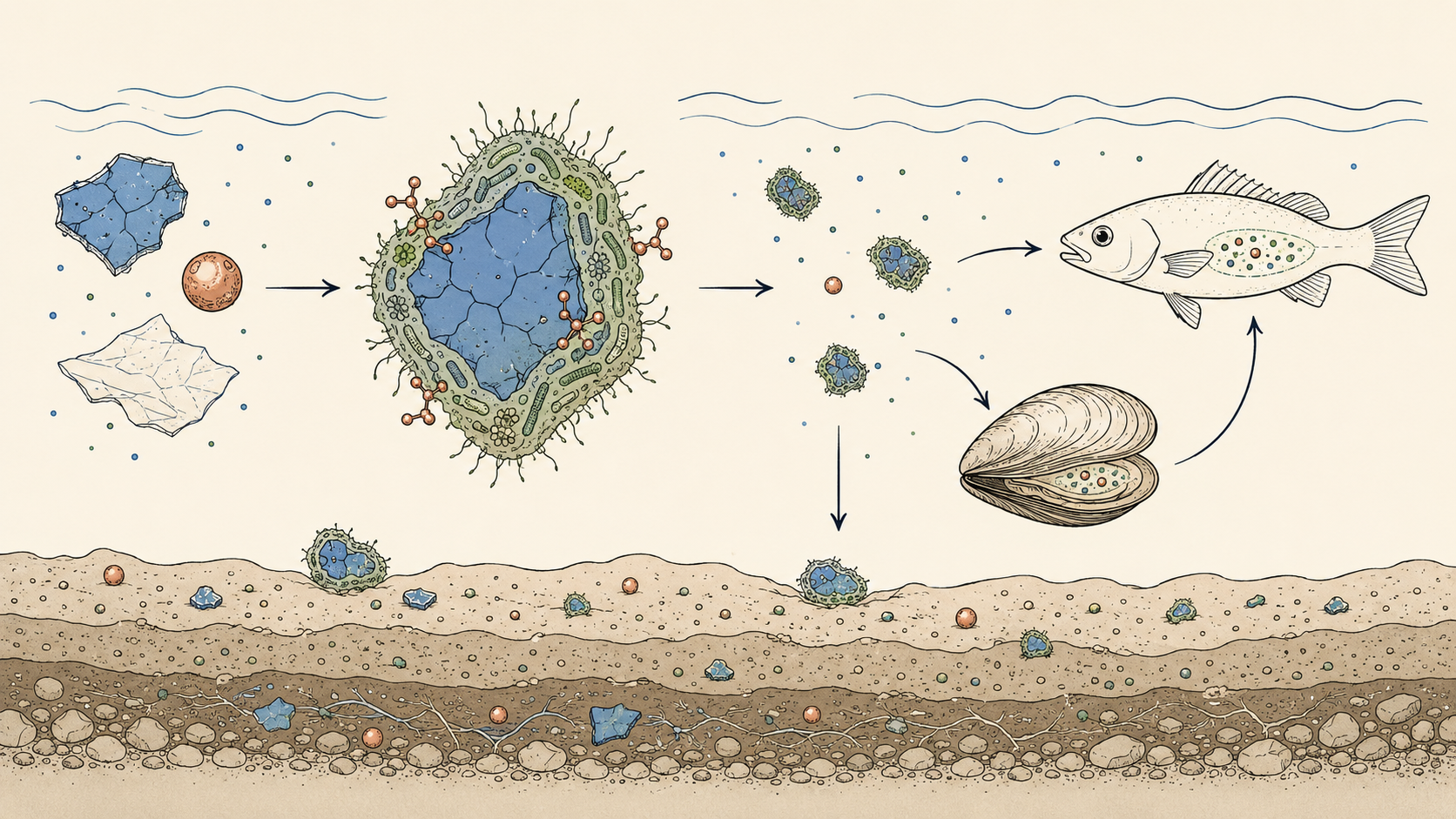
Micro- & nanoplastics

We investigate how plastic particles age, interact with contaminants and reshape exposure pathways across environmental and biological systems.

Particle pollution
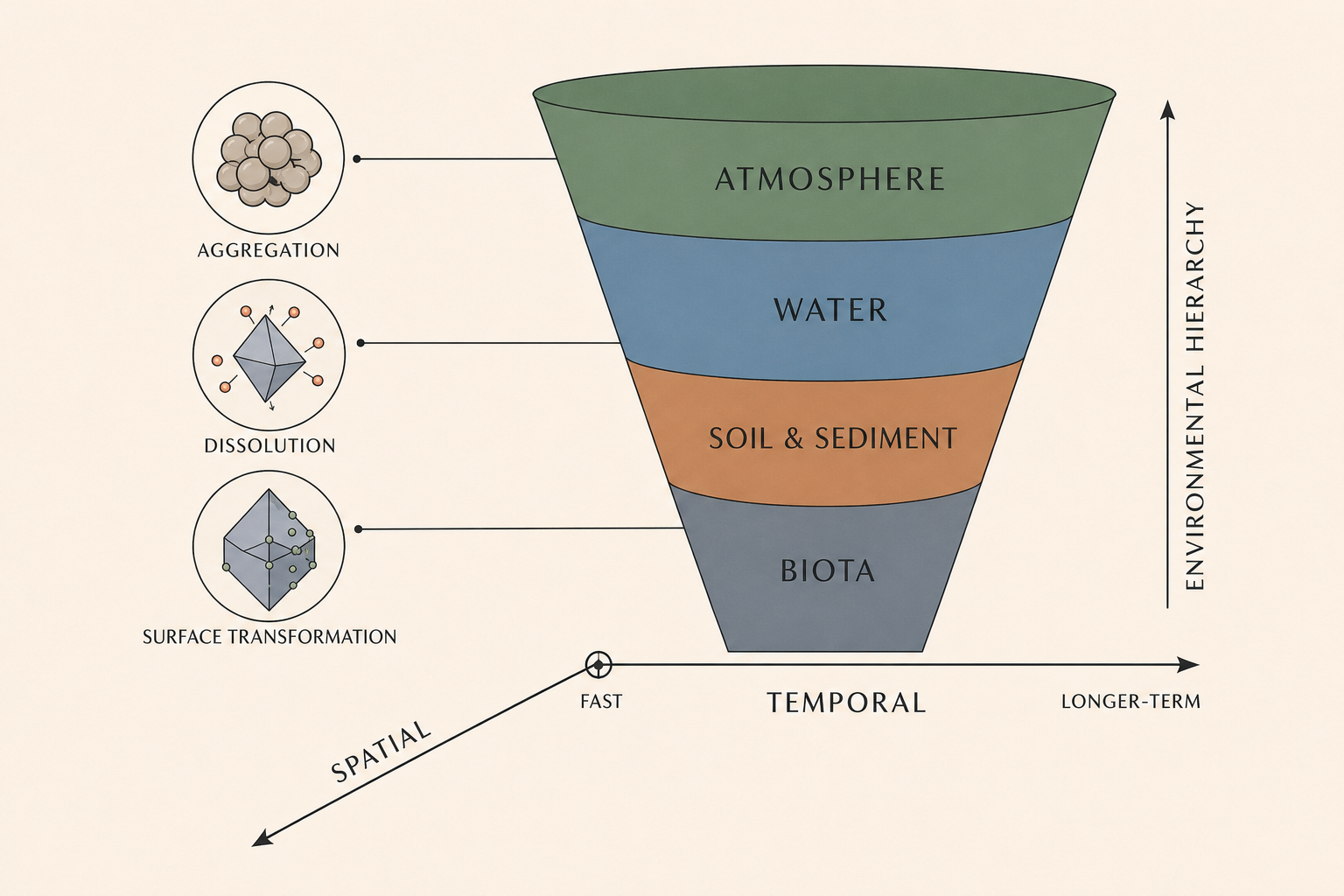
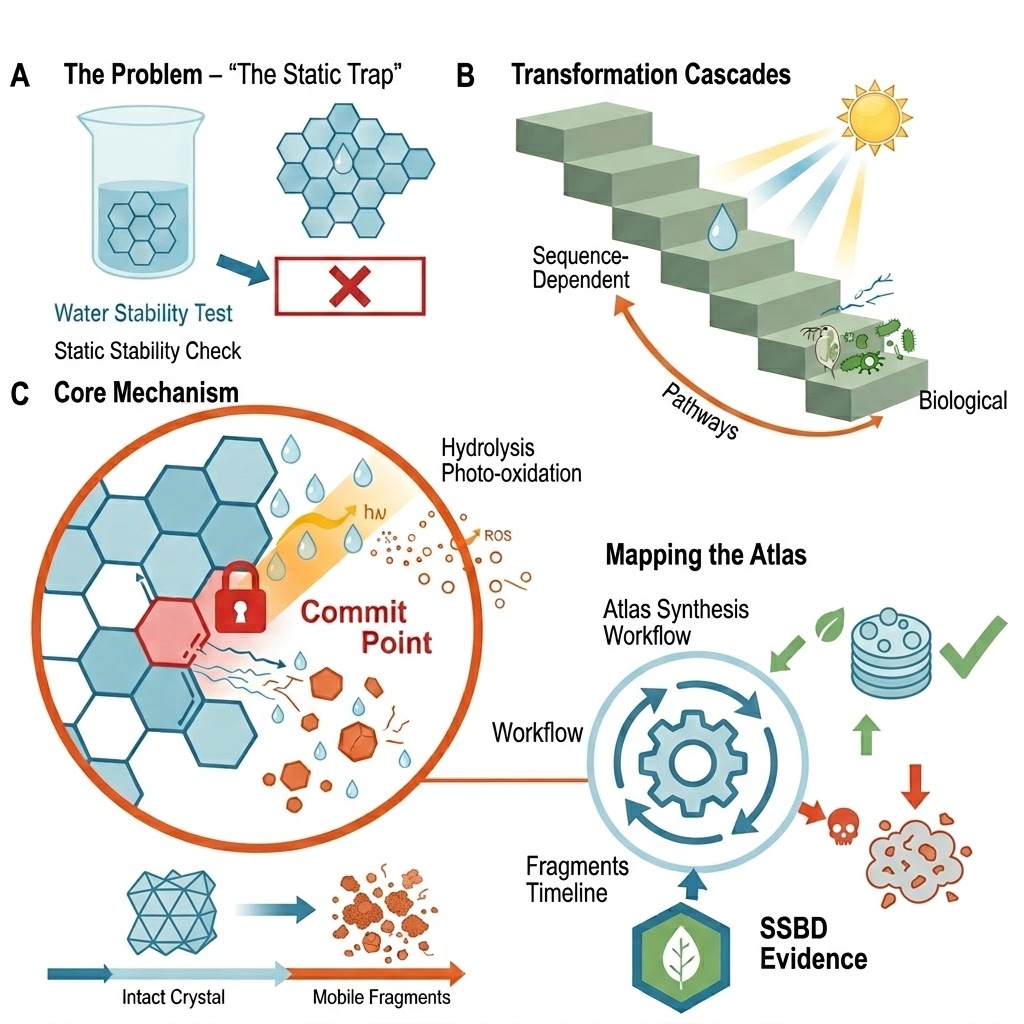
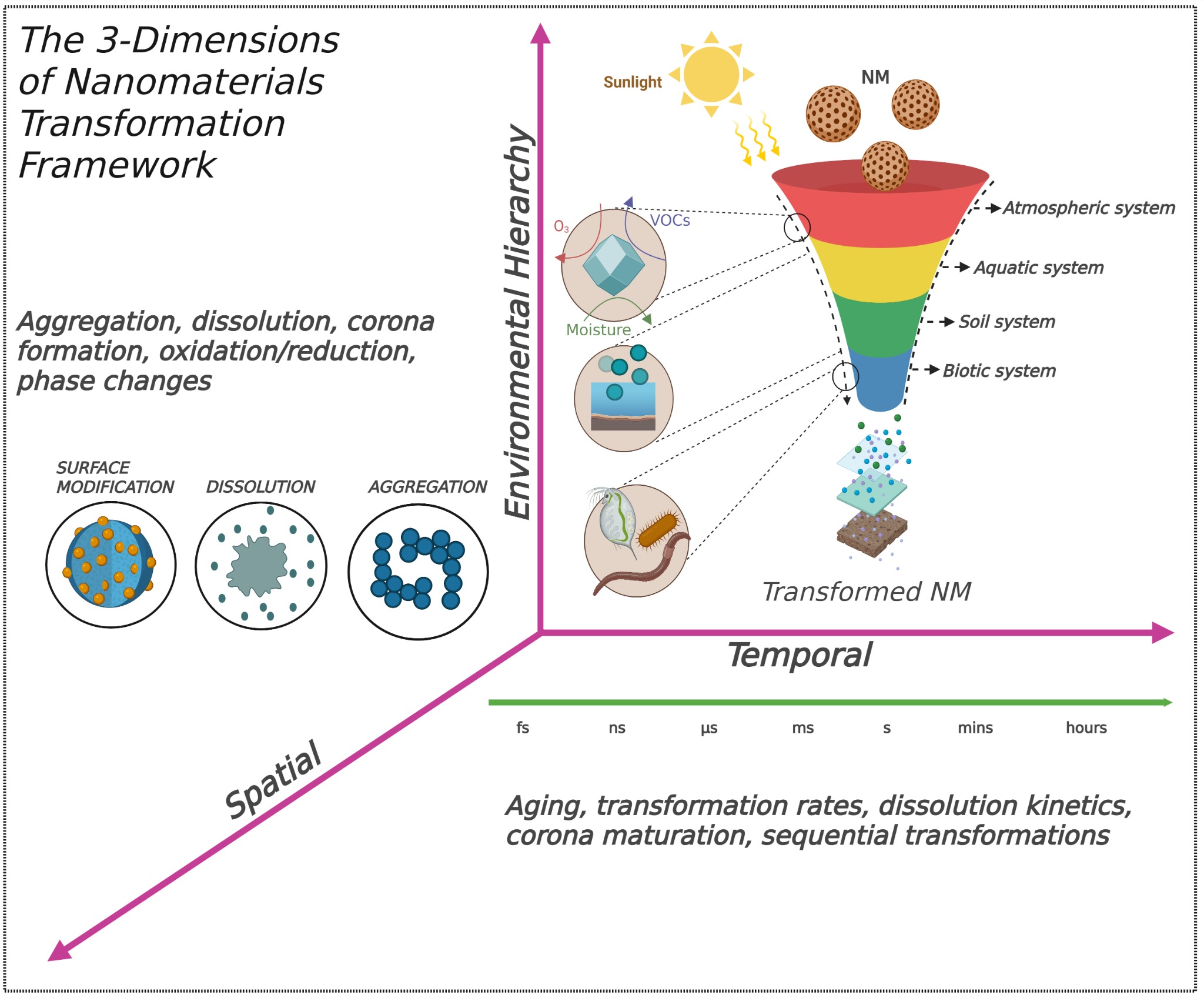
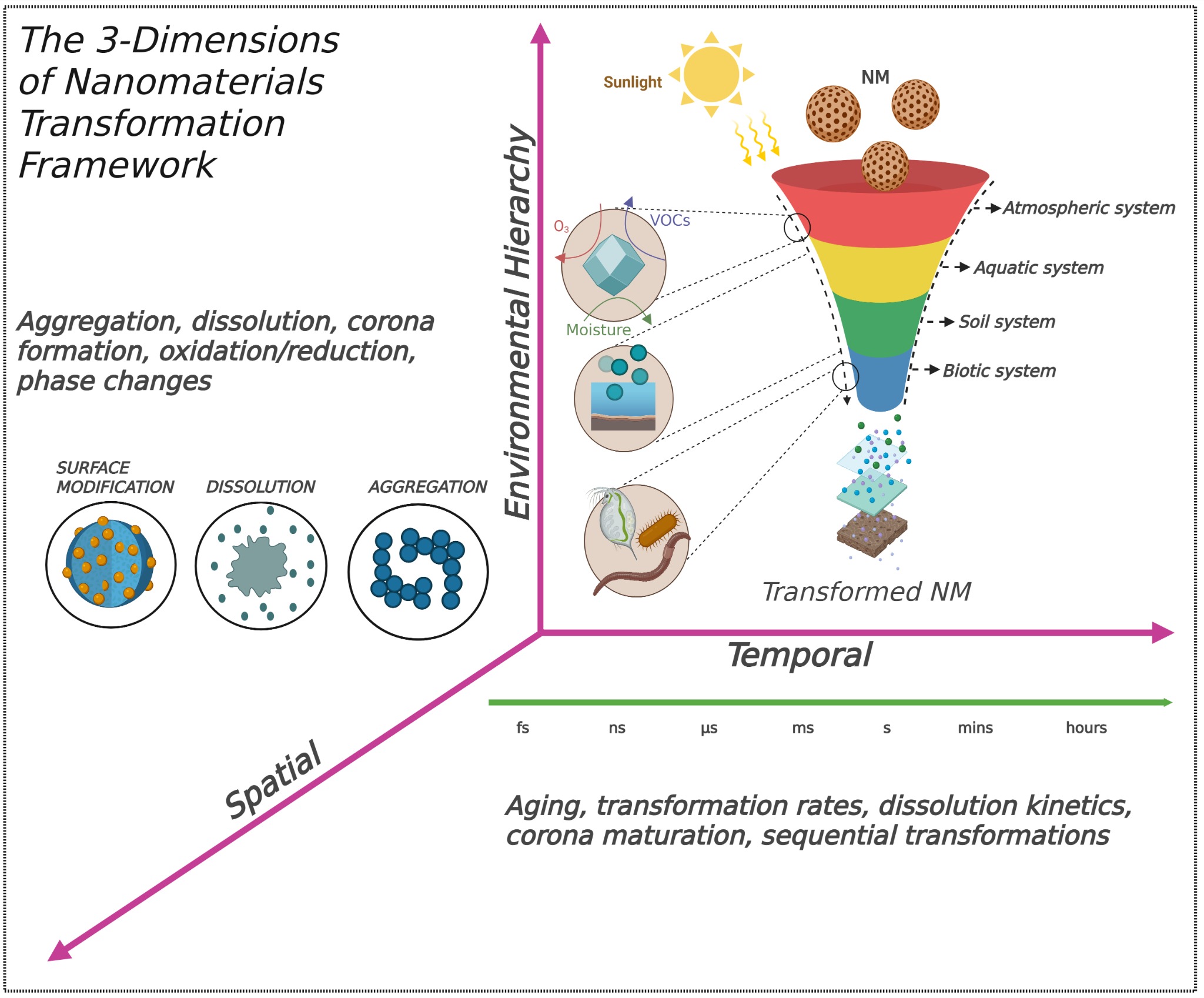
Transformation atlas: a scientific diagram mapping material changes across space, time and environmental hierarchy
Transformation atlas · environmental hierarchy × time

Flagship programme · Funded by UKRI–NERC

Predicting the transformation of advanced materials.

Our programme follows nano-MOFs through environmental-to-biological exposure sequences, linking molecular-scale transformation with organism-level outcomes. The goal is a predictive evidence base for materials innovation—not a retrospective safety check.

2025–30
Five-year research programme
MOFs
Core material systems
XAS/XRF
Synchrotron-enabled methods
01

Environmental hierarchy

How sequential exposure changes material identity, fate and toxicity.

02

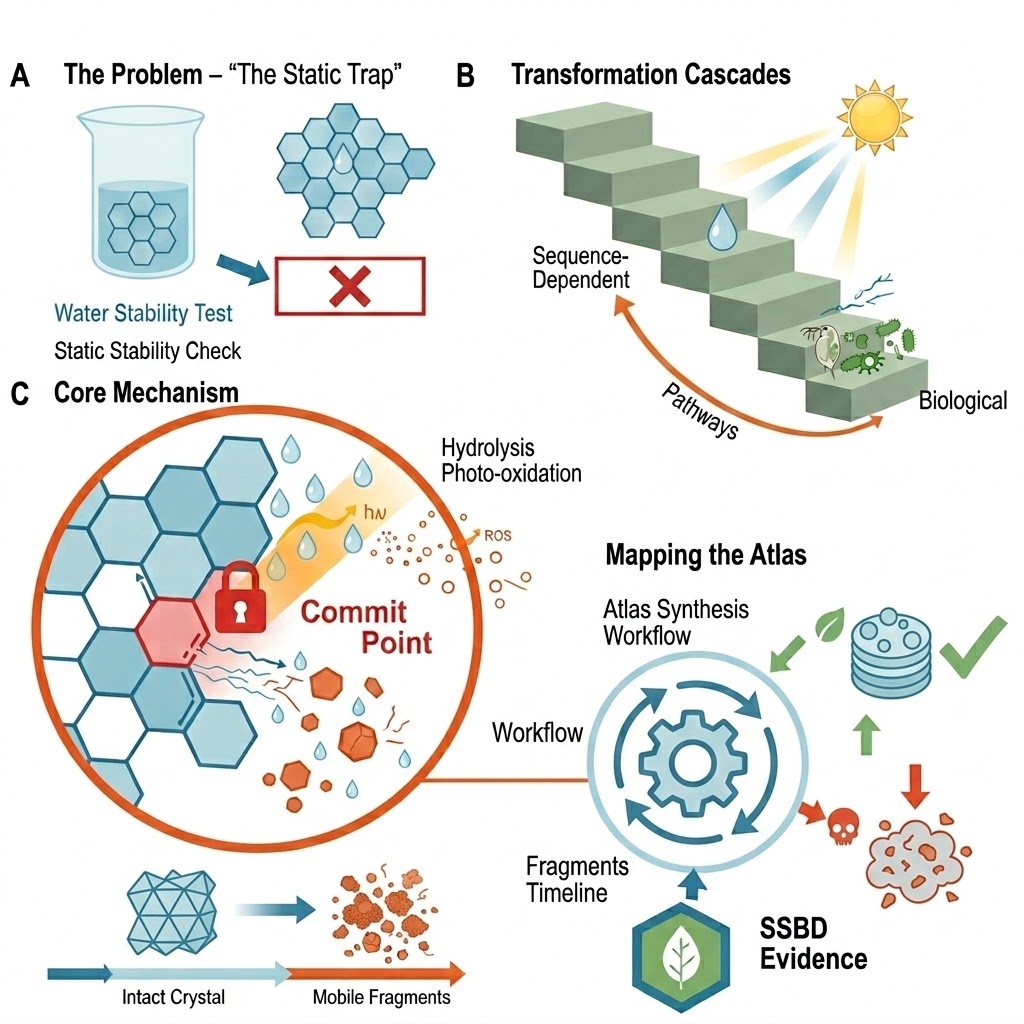
Biological commit points

When transformation makes uptake, persistence or toxicity difficult to reverse.

03

MOF platforms for recovery

Patent-linked, safer-by-design materials for remediation and critical-resource recovery.

Funders & facilities

Powered by leading
research partners.

TRACE Lab is connected to a national and international network of funders, large-scale facilities and research infrastructures.

UK Research and Innovation

Natural Environment Research Council

The Royal Society

German Academic Exchange Service

Diamond Light Source
European Synchrotron Radiation Facility

Helmholtz-Zentrum Berlin
Deutsches Elektronen-Synchrotron

The group

Curious minds.
Connected disciplines.

We bring together environmental science, chemistry, biology and large-scale facilities to answer questions no single discipline can resolve.

Dr Swaroop Chakraborty

UKRI–NERC Independent Research Fellow · Group Lead

Dr Swaroop Chakraborty

Dr Swaroop Chakraborty leads TRACE Lab at the University of Birmingham. His research follows emerging materials through environmental and biological systems, connecting particle transformation and reactivity with organism-level outcomes to enable safer, more sustainable materials design.

University of Birmingham profile ↗

Girija Bansod

NERC CENTA Doctoral Researcher

Girija Bansod

Mapping the environmental transformation of metal–organic frameworks

Mimha Choudhury

MSc Biochemistry Student

Mimha Choudhury

Biomolecular transformation of micro- and nanoplastics

Raihan Lenoire

NERC CENTA REP Summer Student

Raihan Lenoire

Heavy-metal speciation on biofouled micro- and nanoplastics

Genie

Lab Mascot

Genie

Head of morale, wellbeing and fieldwork companionship

Past members

Nihal Singh

Royal Society International Exchange Doctoral Researcher

Nihal Singh

MOF–DNA hydrogel systems for environmental remediation

Prathmesh Bhadane

Visiting Doctoral Researcher

Prathmesh Bhadane

MOF-based Environmental Remediation

Selected publications

Ideas that shape
the field.

View ORCID profile ↗

Complete catalogue

66 publications listed

012026

Ghost MOFs and the boundaries of framework identity

Journal of Hazardous Materials Advances

022026

Adsorption-Programmed Transformation of a Two-Dimensional Cu-Imidazolate Framework into Mn-Integrated Catalytic Nanonetwork

Small

032026

Substrate-fed metal-organic framework thin films through regenerative growth-removal cycling

Cell Reports Physical Science

042026

Selective heavy-metal sequestration and rare-earth element recovery using metal-organic frameworks

Nature Protocols

052026

Accounting for dynamic nanomaterial behavior in toxicological study design

Cell Reports Physical Science

062026

Freeze-drying enables resource-efficient isolation of copper imidazolate metal–organic framework nanosheets for transformation-aware lead capture

Green Chemistry

072026

Plastic particle risk is shaped by transformation history

Environmental Science and Ecotechnology

082026

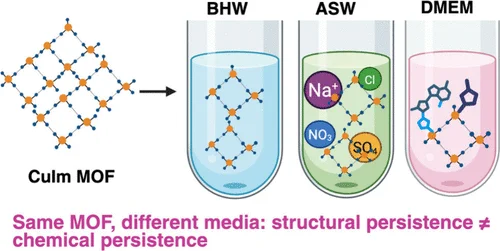
Structural Persistence Masks Commit-Point Chemical Transformation in Copper–Imidazolate Nanosheet Metal–Organic Frameworks

ACS Nano

092026

A coupling platform for microplastics extraction and detection: Pollutant monitoring

Nature Water

102026

Biofouled Micro-and Nanoplastics as Reactive Platforms for Potentially Toxic Element Transformation

Environmental Science & Technology

112026

Environmental transformation of covalent organic frameworks

Nature Reviews Materials

122026

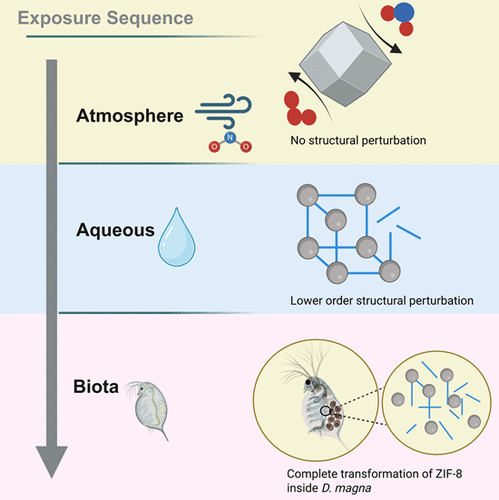
Hierarchical Environmental Exposure Transforms Zeolitic Imidazolate Framework-8 and Increases Toxicity in Daphnia magna

ACS Nano

132026

Failure windows and commit points of engineered nanomaterials in the environment

Environmental Science and Ecotechnology

142026

A Transformation-First Roadmap for Safe and Sustainable Emerging Advanced Materials

Accounts of Materials Research

152026

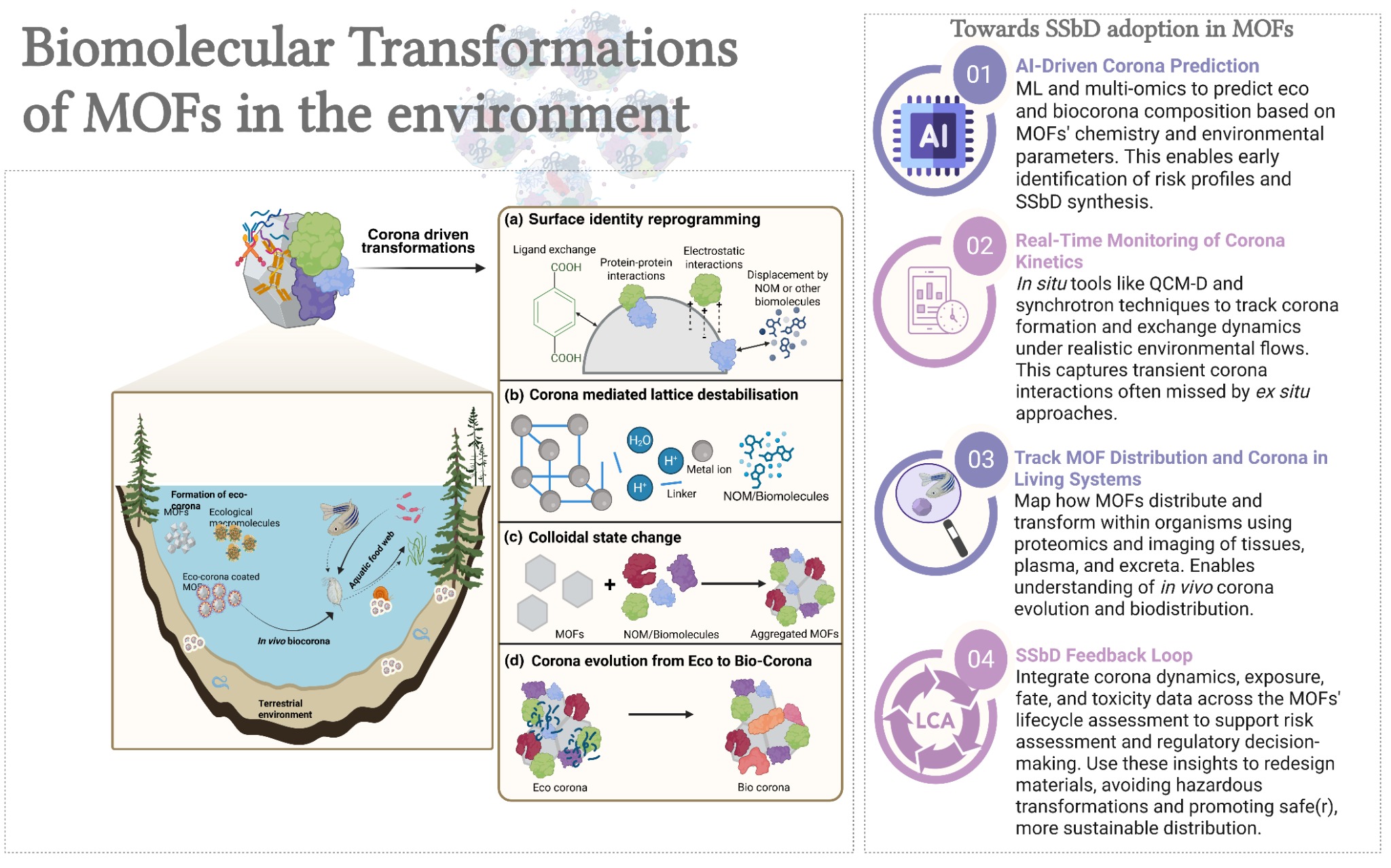
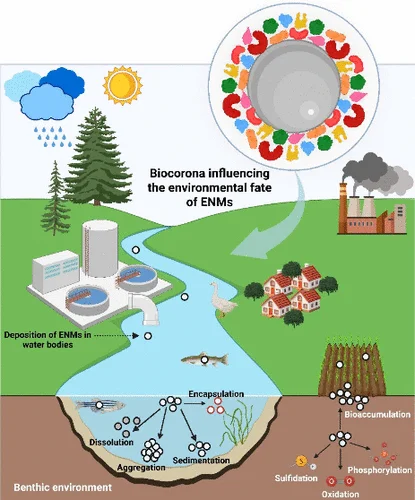
Biomolecular coronas govern the environmental fate of metal–organic frameworks

Nature Reviews Chemistry

162026

Capturing rapid nanomaterial transformations with cross-platform operando characterization

Nature Reviews Materials

172026

Mapping the Hierarchical Environmental Transformations of Nanoscale UiO-66 Metal–organic Framework

Environmental Science & Technology

182025

Invisible contaminants, irreversible consequences? LDPE residues twist the Arabidopsis holobiome

Journal of Experimental Botany

192025

Enhancing amantadine delivery through PLGA micelles: a novel approach using oleic acid and Pluronic F68 for sustained release and reduced toxicity

RSC Advances

202025

Surface functionalization of graphene-based materials: biological behavior, toxicology, and safe-by-design aspects

Advanced Biology

212025

Evaluating the path to sustainability: SWOT analysis of safe and sustainable by design approaches for metal–organic frameworks

Green Chemistry

222025

Green-synthesised carbon nanodots: A SWOT analysis for their safe and sustainable innovation

Journal of Cleaner Production

232025

Cross-material synergies of carbon nanomaterials, MOFs, and COFs: Innovative approaches for sustainable environmental remediation and resource recovery

Coordination Chemistry Reviews

242025

Make metal–organic frameworks safe and sustainable by design for industrial translation

Nature Reviews Materials

252025

Nanoplastics in aquatic environments: The hidden impact of aging on fate and toxicity

Environmental Chemistry and Ecotoxicology

262025

A two-dimensional metal-organic framework for efficient recovery of heavy and light rare earth elements from electronic wastes

Separation and Purification Technology

272025

Safe and sustainable by design MOF beads for selective entrapment and recovery of rare earth elements

Environmental Science & Technology

282025

An integrated multimethod approach for size-specific assessment of potentially toxic element adsorption onto micro-and nanoplastics

Nanoscale

292025

Environmental hierarchy as the third dimension of nanomaterial transformation science

Eco-Environment & Health

302025

Designing safer nanohybrids: stability and ecotoxicological assessment of graphene oxide–gold nanoparticle hybrids in embryonic zebrafish

Environmental Science: Nano

312025

Biomolecular Transformations Shape the Environmental Fate of Nanoscale and Emerging Materials

Accounts of Chemical Research

322025

Biotic Transformation of Abiotically Stable Nanoscale UiO-66 Metal–Organic Framework by Daphnia magna Results in Chronic Reproductive Toxicity

ACS Nano

332025

Characterising Dissolution Dynamics of Engineered Nanomaterials: Advances in Analytical Techniques and Safety-by-Design

Small

342025

From soil to table: How safe and sustainable by design MOFs can revolutionize agriculture and food security

Matter

352025

Synchrotrons, neutron sources, and XFELs guiding the future of safe and sustainable nanomaterials

Cell Reports Physical Science

362025

Cellulose acetate-nanoMOF beads: a safe, sustainable and scalable solution for Pb remediation in complex water systems

Environmental Science: Nano

372025

Are Ni–SiC nanoparticle electroplated coatings a safer alternative to hard chromium? A comprehensive aging, toxicity, and in silico study

Environmental Science: Nano

382025

The dark side of MOFs: Uncovering hidden costs in the pursuit of environmental sustainability

Cell Reports Sustainability

392025

Optimized multi-shell engineering for enhanced luminescence in core@shell@shell upconversion nanorods for dual-channel imaging

Journal of Alloys and Compounds

402025

Soil-based zeolite and metal oxide nanomaterial application alters reactive nitrogen losses and lettuce growth

Environmental Science: Nano

412025

Assessment of Phage-Displayed Peptides Targeting Cancer Cell Surface Proteins: A Comprehensive Molecular Docking Study

Journal of Peptide Science

422024

Perturbation of enzyme structure by nano-metal organic frameworks: A question mark on their safety-by-design?

Journal of Hazardous Materials Letters

432024

Modulation of heat shock protein expression in alveolar adenocarcinoma cells through gold nanoparticles and cisplatin treatment

Pharmaceutics

442024

Hydrolytic Enzyme-Facilitated Mass Spectrometric Investigation of Metals in Processed Food Matrices

ACS Food Science & Technology

452024

Antimicrobial and antiviral properties of stainless steel enhanced by controlled silver nano-island deposition

Journal of Materials Research and Technology

462024

Hydrolytically stable nanosheets of Cu–imidazolate MOF for selective trapping and simultaneous removal of multiple heavy metal ions

Environmental Science: Nano

472024

Outstanding Reviewers for Environmental Science: Nano in 2023

Environmental Science: Nano

482023

How safe are nanoscale metal-organic frameworks?

Frontiers in Toxicology

492023

Does the doping strategy of ferrite nanoparticles create a correlation between reactivity and toxicity?

Environmental Science: Nano

502023

Gold nanoparticles induced size dependent cytotoxicity on human alveolar adenocarcinoma cells by inhibiting the ubiquitin proteasome system

Pharmaceutics

512023

Functionalized gold nanoparticles suppress the proliferation of human lung alveolar adenocarcinoma cells by deubiquitinating enzymes inhibition

ACS Omega

522023

Development of isotopically labelled 65Cu embedded PMMA-65CuO nanocomposites for detection and quantification of PMMA bone cement degradation

Materials Today Communications

532022

CuO nanoparticles as copper-ion reservoirs for elesclomol-mediated intracellular oxidative stress

ACS Applied Nano Materials

542022

Toxicological Impact and in Vivo Tracing of Rhodamine Functionalised ZIF-8 Nanoparticles

Frontiers in Toxicology

552022

Doxorubicin encapsulated hollow self-assembled CuS nanoparticle clusters for bio-responsive chemo-photo therapy

Materials Letters

562022

Novel dual labelled nanoprobes for nanosafety studies: Quantification and imaging experiment of CuO nanoparticles in C. elegans

Chemosphere

572021

Biotransformation modulates the penetration of metallic nanomaterials across an artificial blood–brain barrier model

Proceedings of the National Academy of Sciences

582021

Enhanced Visible/NIR driven catalytic activity in presence of neodymium, for Yb and Tm doped NaYF4 nanoparticles

Journal of Environmental Chemical Engineering

592020

Intranasal exposure to ZnO nanoparticles induces alterations in cholinergic neurotransmission in rat brain

Nano Today

602020

Glycol chitosan in situ coating on PLGA nanoparticle curtails extraneous paclitaxel precipitates

Carbohydrate Polymers

612020

Enhanced detection using stable isotope enriched 65Cu doped ferrite nanoparticles for tracing studies

Journal of Alloys and Compounds

622019

A comparative analysis of dialysis based separation methods for assessing copper oxide nanoparticle solubility

Environmental Nanotechnology, Monitoring & Management

632018

Multifunctional Fe3O4-ZnO nanocomposites for environmental remediation applications

Environmental Nanotechnology, Monitoring & Management

642018

Exposure media: a critical factor for controlling dissolution of CuO nanoparticles

Journal of Nanoparticle Research

652018

Glycol chitosan assisted in situ reduction of gold on polymeric template for anti-cancer theranostics

International Journal of Biological Macromolecules

662017

Tailoring of physicochemical properties of nanocarriers for effective anti-cancer applications

Journal of Biomedical Materials Research Part A

View live Google Scholar profile ↗

Latest news

From the group.

2025—2026
Swaroop Chakraborty’s Water Magazine vlog

7 October 2026 · Water Magazine · Vlog

Greener processing makes novel material cheaper for water decontamination.

Swaroop joins Phil Alsop to discuss greener MOF processing and heavy-metal removal from wastewater.

Watch the vlog ↗
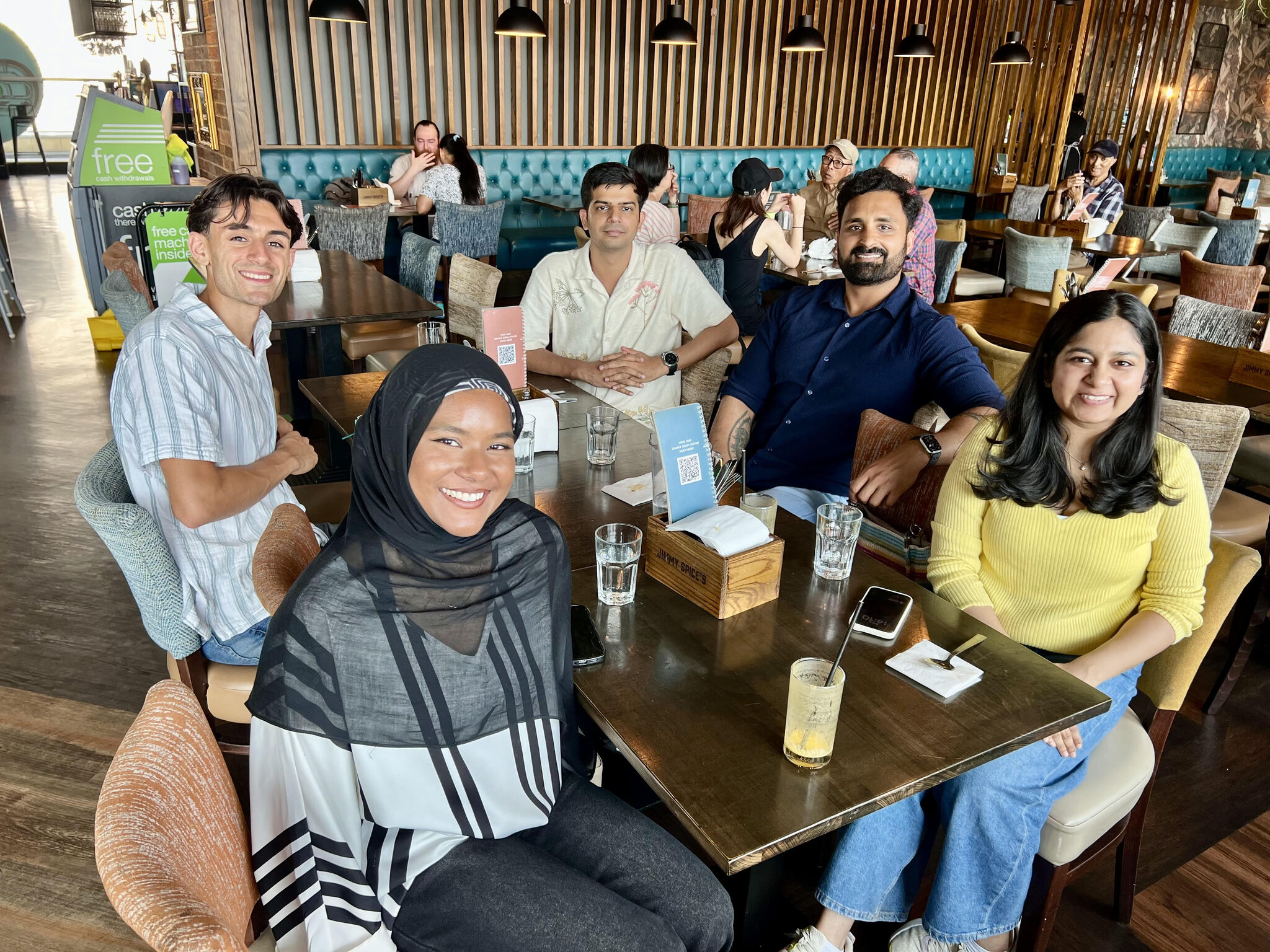
TRACE Lab members at their first group lunch

Lab news · 2026

First TRACE Lab group lunch.

A warm welcome to the team as we came together for our first group lunch.
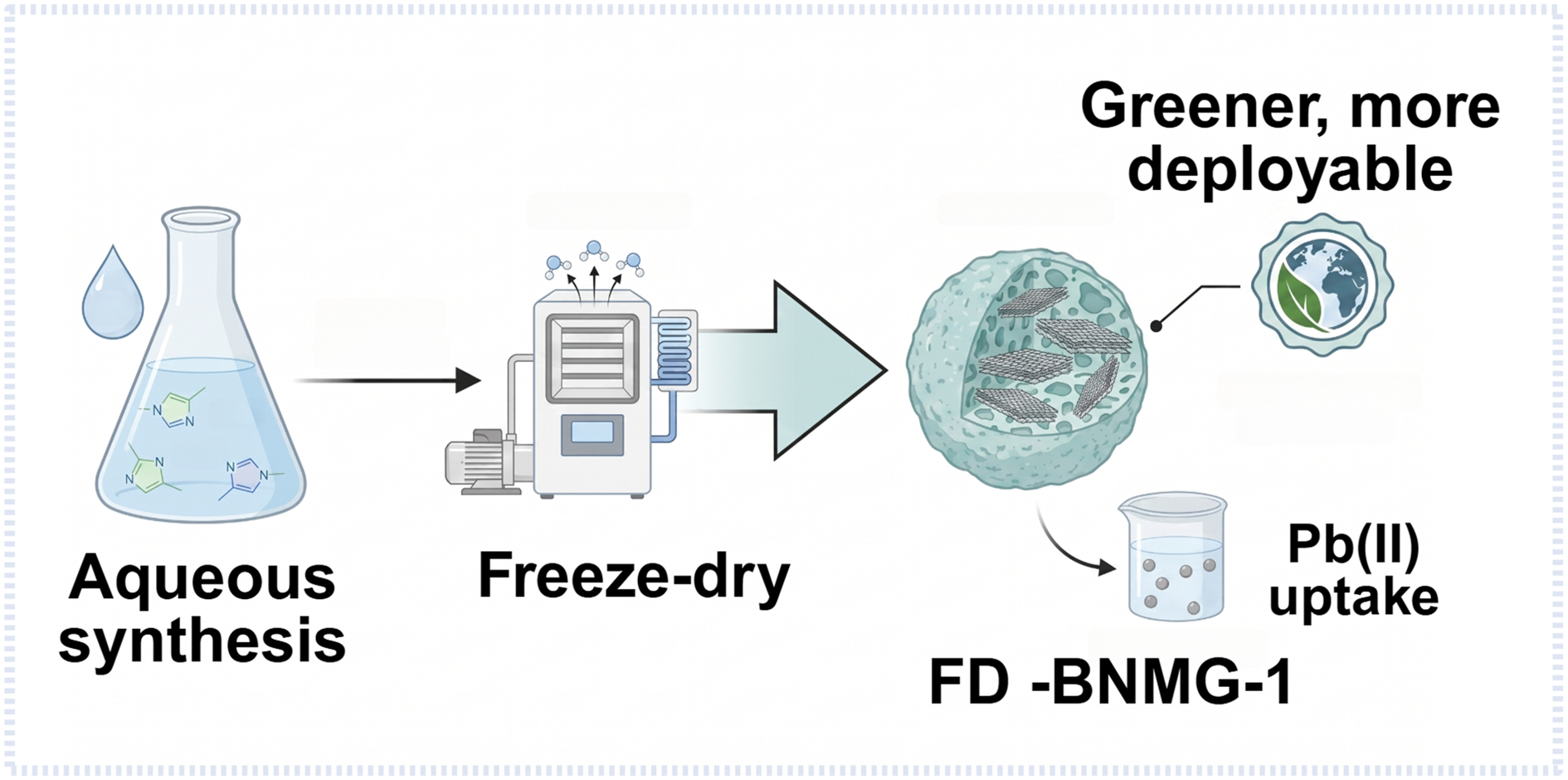
Graphical abstract for the Green Chemistry paper

2026 · Green Chemistry

Freeze-drying enables resource-efficient isolation of copper imidazolate metal–organic framework nanosheets for transformation-aware lead capture.

Read the paper ↗
Graphical abstract for the Copper–Imidazolate ACS Nano paper

2026 · ACS Nano

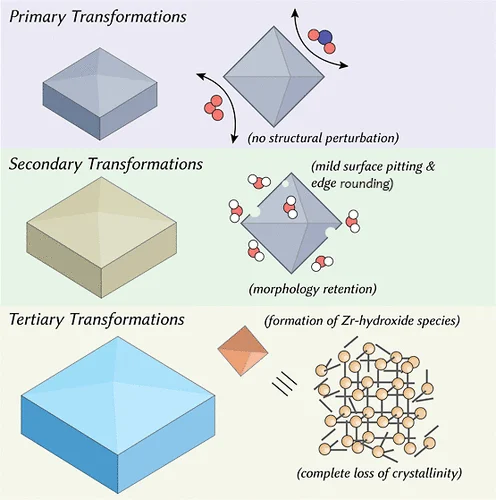
Structural persistence masks commit-point chemical transformation in copper–imidazolate nanosheet metal–organic frameworks.

Read the paper ↗
Graphical abstract for the ZIF-8 ACS Nano paper

2026 · ACS Nano

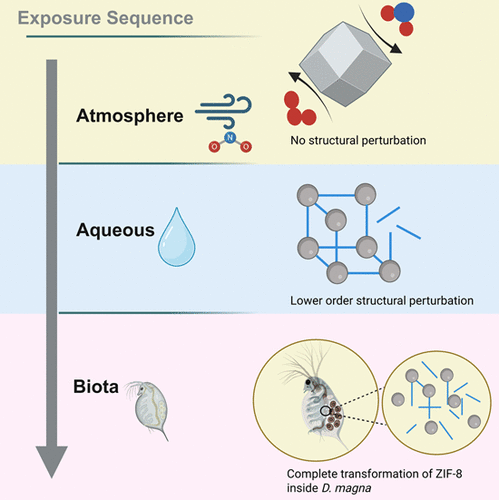
Hierarchical environmental exposure transforms ZIF-8 and increases toxicity in Daphnia magna.

Read the paper ↗
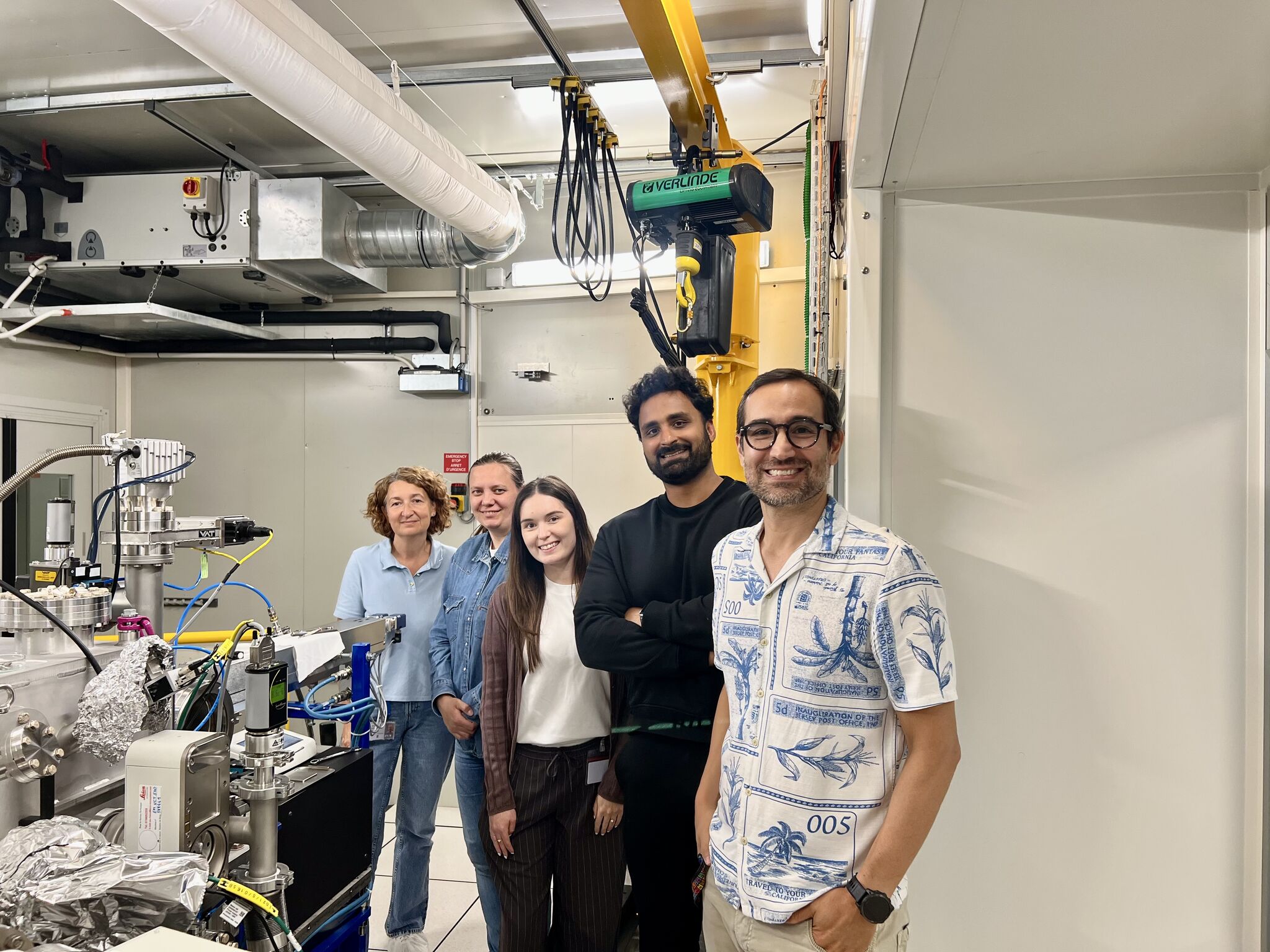
TRACE Lab team at the ID21 beamline at ESRF

Facility visit · ESRF

Six days at ID21 for nanoscale XRF and X-ray absorption spectroscopy.

With Rhiannon Boseley and Iuliia Mikulska, exploring particle transformation with the support of the ID21 team.
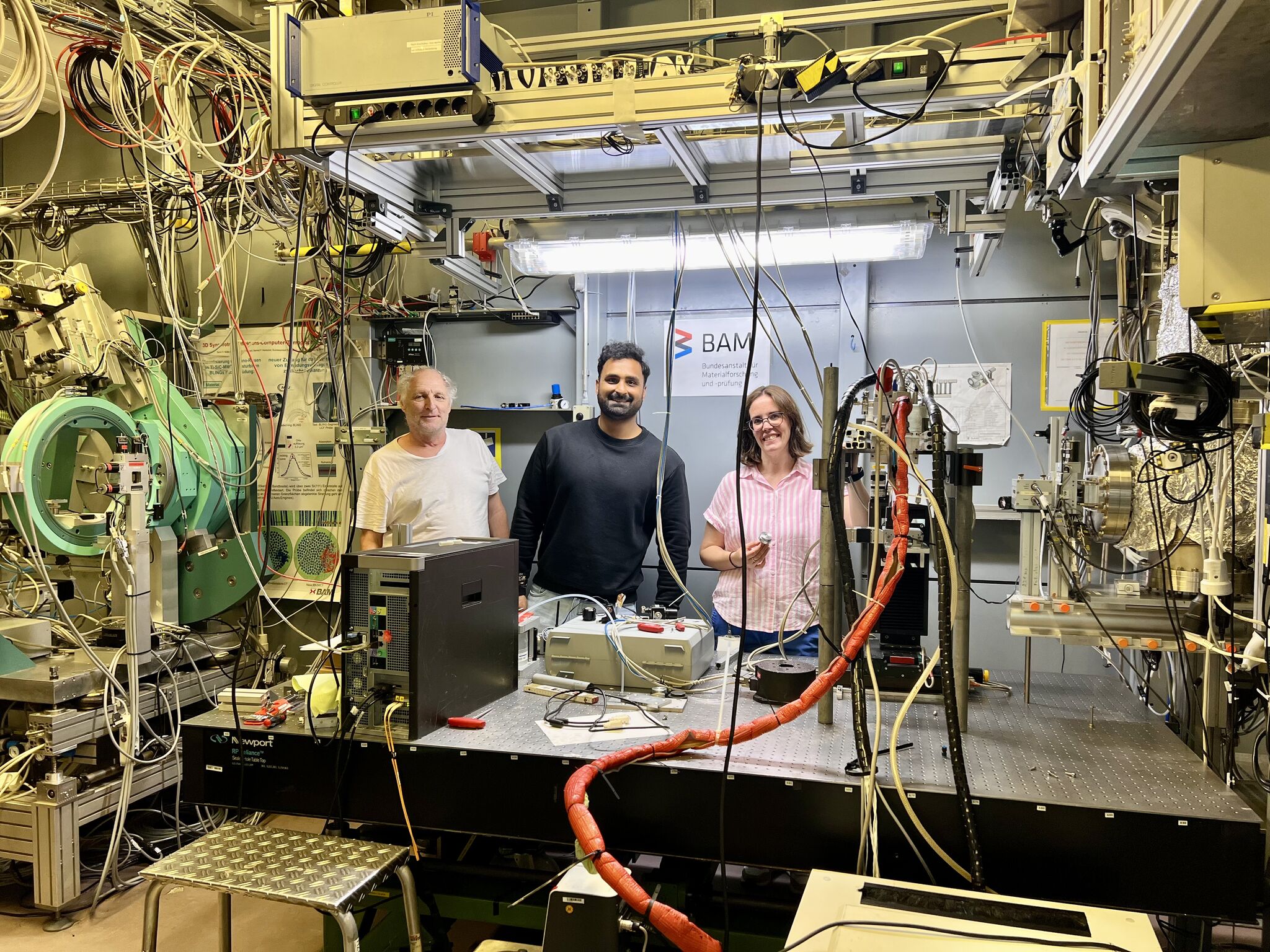
Experiment at BAMline beamline at BESSY II

Facility visit · BESSY II

Synchrotron X-ray CT of Daphnia magna at BAMline.

Three days of experiments with Ana Guilherme Buzanich, Henning Markötter and Martin Radtke at Helmholtz-Zentrum Berlin.

Opportunities

Come help us understand
what materials become.

We welcome enquiries from prospective doctoral researchers, visiting researchers and collaborators interested in advanced materials, environmental biology or synchrotron methods.

s.chakraborty@bham.ac.ukContact TRACE Lab ↗